
The Bakersfield Sound is part of the city’s musical identity, and museum collections offer a grounded way to explore its people and artifacts without confusing historical venues with current attractions.
This guide focuses on the choices readers can verify, the mistakes that create unnecessary risk, and the records or instructions worth checking before they act. Details differ by person, location and equipment or legal setting. Use current primary sources for anything that could change after publication.
Understanding Bakersfield Sound history at Kern County Museum before making a decision
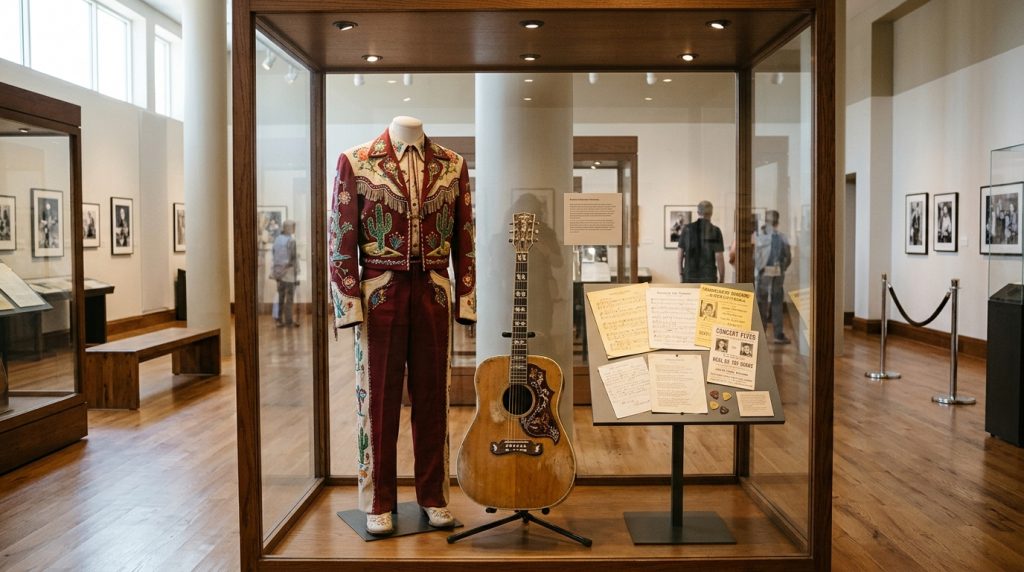
Bakersfield Sound history at Kern County Museum connects a distinctive country music tradition with the city where its musicians performed, recorded and built audiences. The museum’s official exhibition description includes stage costumes, sheet music, instruments and memorabilia associated with Buck Owens, Merle Haggard, Red Simpson, Bonnie Owens and others. Those objects make the story tangible without requiring visitors to master music theory first.
The story of the Bakersfield Sound includes both celebrated stars and people who worked behind the scenes. Session players, radio personalities, venue operators and local audiences all helped create the conditions in which a regional style took shape. A museum visit can prompt questions about how music circulates through communities rather than treating an artist’s career as an isolated success story.
Identify the facts and limits first
The Bakersfield Sound is often described through prominent electric guitar, a strong beat and a more direct performance approach than some highly polished Nashville recordings of the era. No single phrase fully describes every musician involved. Rather than treating the style as one person’s invention, a thoughtful visit considers performers, studios, clubs, radio and the community around them.
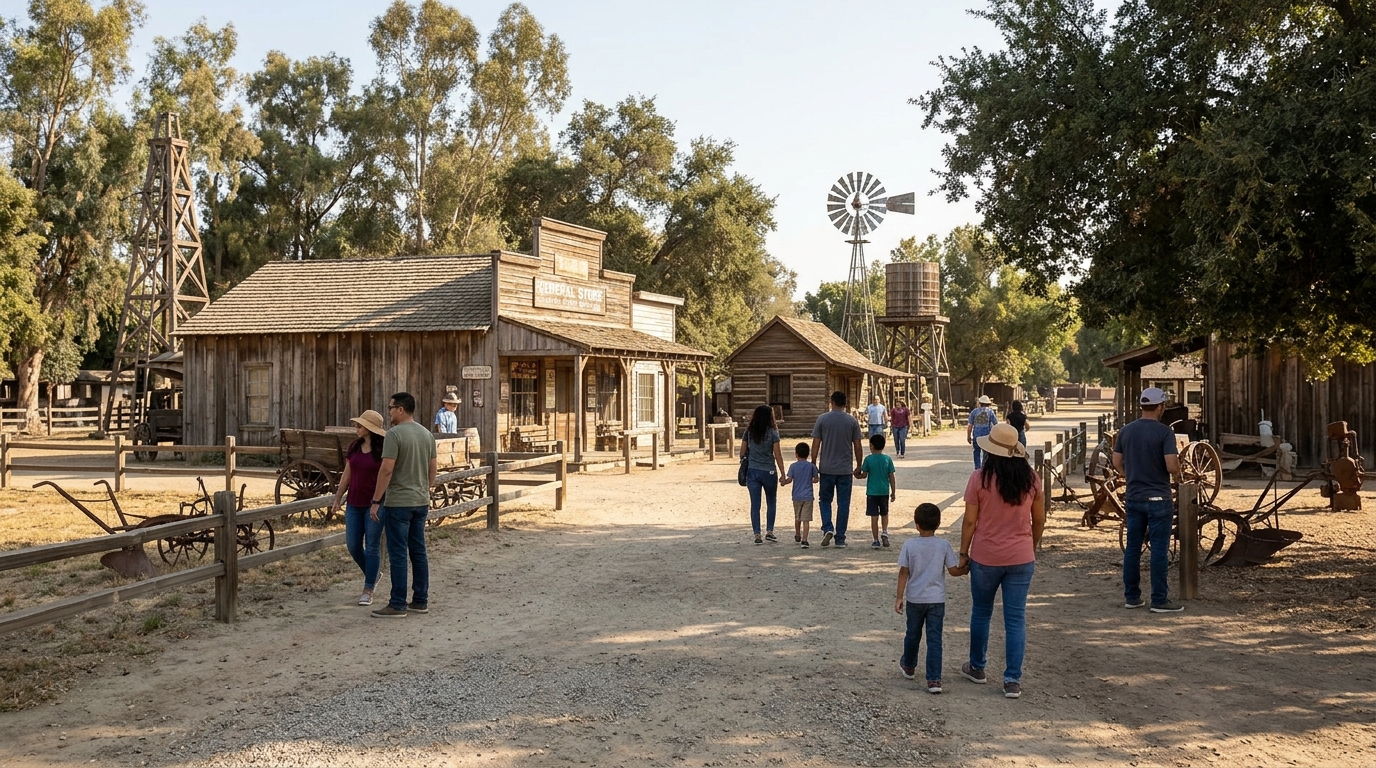
Kern County Museum provides more than a single music display. Its broader collections address oil, agriculture, transportation and local history. That context matters because economic migration and changing working life helped shape Bakersfield’s population and cultural scene. Visitors can compare the music story with other exhibits to understand how a regional identity develops over time.
Confirm access to particular music displays
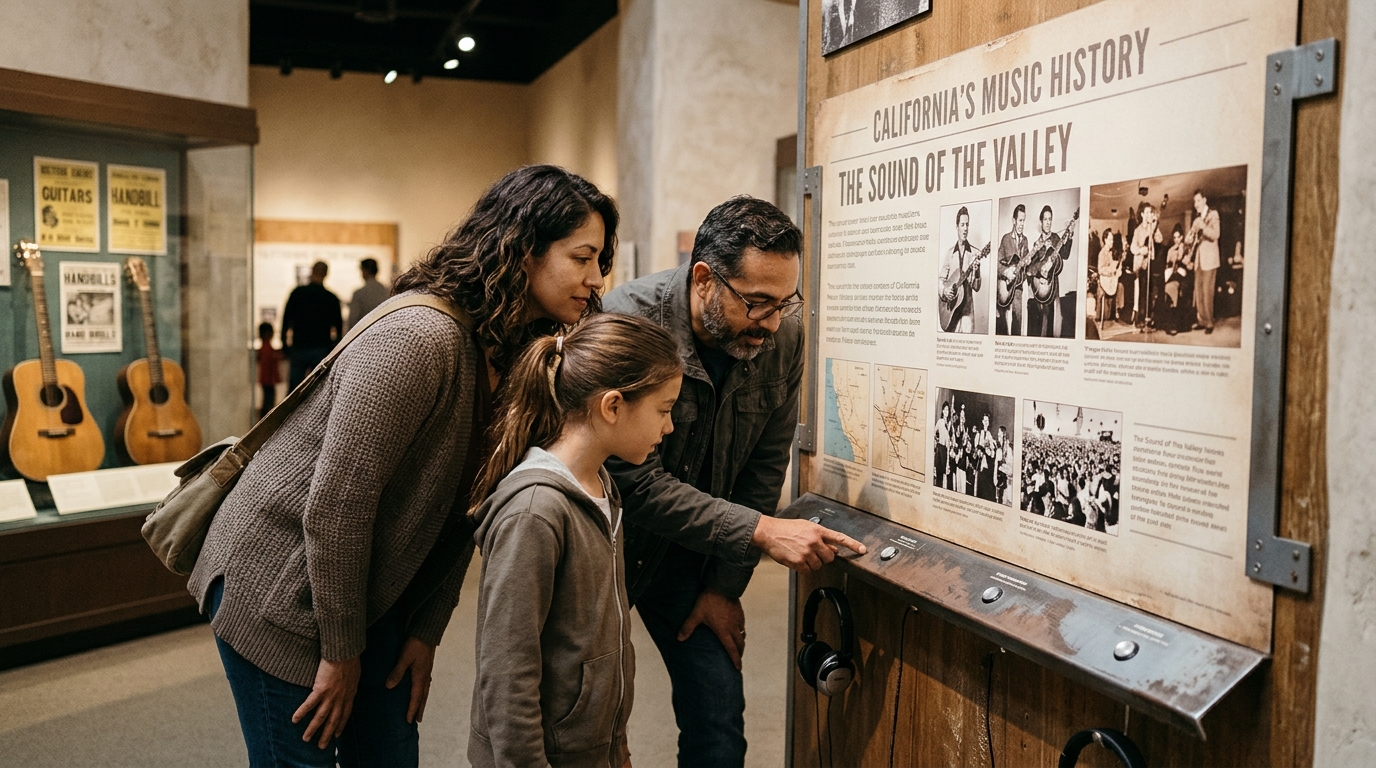
The museum’s Bakersfield Sound exhibition is especially valuable for seeing artifacts closely. Stage clothing can reveal how performers presented themselves, while instruments and sheet music help visitors imagine rehearsals and shows. Labels and gallery arrangements may change, so confirm which items are on view before planning a visit around a specific piece.
Historic recordings are useful companions to physical artifacts. Listen for instrumental choices, arrangements and vocal styles, then compare that listening experience with objects displayed in the museum. A guitar under glass cannot reproduce the sound of a performance, but it can help a visitor imagine the material tools musicians used. The connection between sound and artifact is what makes a music-history exhibit rewarding.
Allow time for nonmusic regional history exhibits
Merle Haggard’s childhood home is also part of the museum’s listed historic features. A preserved building tells a different kind of story from a song recording: it situates a famous musician in a family and neighborhood history. Ask staff about accessibility and whether that exhibit is open on the intended date instead of assuming every historic structure can be entered.
Buck Owens’ Crystal Palace is frequently mentioned in older Bakersfield itineraries, but the venue’s official website announces that it is closing. A current visitor guide should not instruct readers to book dinner or a performance there without independent confirmation of a new operating status. Historical importance and present-day visitor access are separate facts.
Recognize where assumptions break down
Music visitors can prepare by listening to recordings from several artists rather than only one star. Notice the differences in rhythm, vocal delivery and instrumentation. Listening beforehand can make the museum artifacts more meaningful, but a good exhibit visit should still work for someone who knows little about country music.
Families may approach the subject through simple questions: What does a stage costume communicate? How does an electric guitar differ from an acoustic guitar? Why did music become associated with a place? These prompts allow children to connect objects with stories. Keep activities age appropriate and follow any rules about touching displays.
The museum setting also offers a chance to discuss preservation. Stage costumes, photographs, handwritten materials and musical instruments require careful storage and handling. Visitors see only a selected portion of a collection at a time. Ask about current displays rather than assuming an item mentioned in an older article remains publicly visible.
Practical steps for Bakersfield Sound history at Kern County Museum
Museum schedules, admission and special-program offerings change. The official website is the correct source for current information. An independent local culture guide should not invent discounted tickets, opening hours or live events. Check accessibility needs, photography policies and the amount of outdoor walking before traveling.
Bakersfield’s music heritage also connects to local radio and entertainment history, but details should come from documented sources. Avoid romanticizing the past as one uninterrupted period of success. Musical styles emerged through collaboration, competition, work and diverse influences. The story is richer when it includes lesser-known contributors alongside household names.
Evaluate evidence and next steps
A compact museum itinerary might begin with the Bakersfield Sound collection, continue to the Haggard-related exhibit when available and finish with another historical area. Leave time to read captions rather than rushing through every building. The goal is a coherent introduction to the city, not the completion of a checklist.
A culture guide must remain careful when a venue changes status. Crystal Palace is a major historical reference, but an announced closure means readers should not be told to purchase tickets there unless a new operator and schedule have been independently verified. This distinction is especially important for visitors who plan travel around an older list of “must-see” music stops.
Review current access before mentioning Crystal Palace
Photographs of original artifacts should respect museum policy. Avoid using an AI-generated reconstruction as though it depicts a real instrument or exhibit. If publishing illustrations, describe them as concepts rather than photographic evidence. Accurate representation is part of respecting the history being shared.
Follow museum photography and accessibility policies
Bakersfield Sound history at Kern County Museum is a useful starting point for understanding the city’s role in American country music. Verify current exhibit access, explore the wider regional context and distinguish the historical Crystal Palace from its current announced closure. Visitors leave with a stronger sense of how local experiences can become nationally influential culture.
A satisfying visit ends with a broader question: how did Bakersfield’s industries, migration and local communities influence a sound recognized far beyond California? The museum’s other exhibits can supply context for that conversation. A reader who leaves connecting the music to place and history has gained more than a collection of trivia about famous performers.
Practical checklist:
- Check Kern County Museum official exhibits and hours
- Confirm access to particular music displays
- Listen to several Bakersfield Sound artists beforehand
- Allow time for nonmusic regional history exhibits
- Review current access before mentioning Crystal Palace
- Follow museum photography and accessibility policies
Common questions
Is Crystal Palace a confirmed active concert venue now? No. The official site announces closure; verify new information before planning a visit.
Does the museum feature Bakersfield Sound memorabilia? Yes. Its official featured-exhibits page describes instruments, costumes and related artifacts.
Is this only a country music museum? No. Kern County Museum also covers several aspects of the region’s history.
Can every historic structure be entered? Do not assume so; check current museum access and visitor guidance.
For related context, see the bakersfieldmuseum.org guide. For authoritative reference, review this primary resource and additional official or technical guidance. Verify updates, dates and jurisdiction before applying general guidance to a specific situation.
Use this guide as a starting framework rather than a promise of a particular outcome. For Bakersfield Sound history at Kern County Museum, the most useful next move is to verify the applicable details, preserve accurate information and make a decision based on the real conditions in front of you. When specialist advice, official instructions or a qualified inspection is appropriate, seek that input before a decision becomes difficult to reverse.