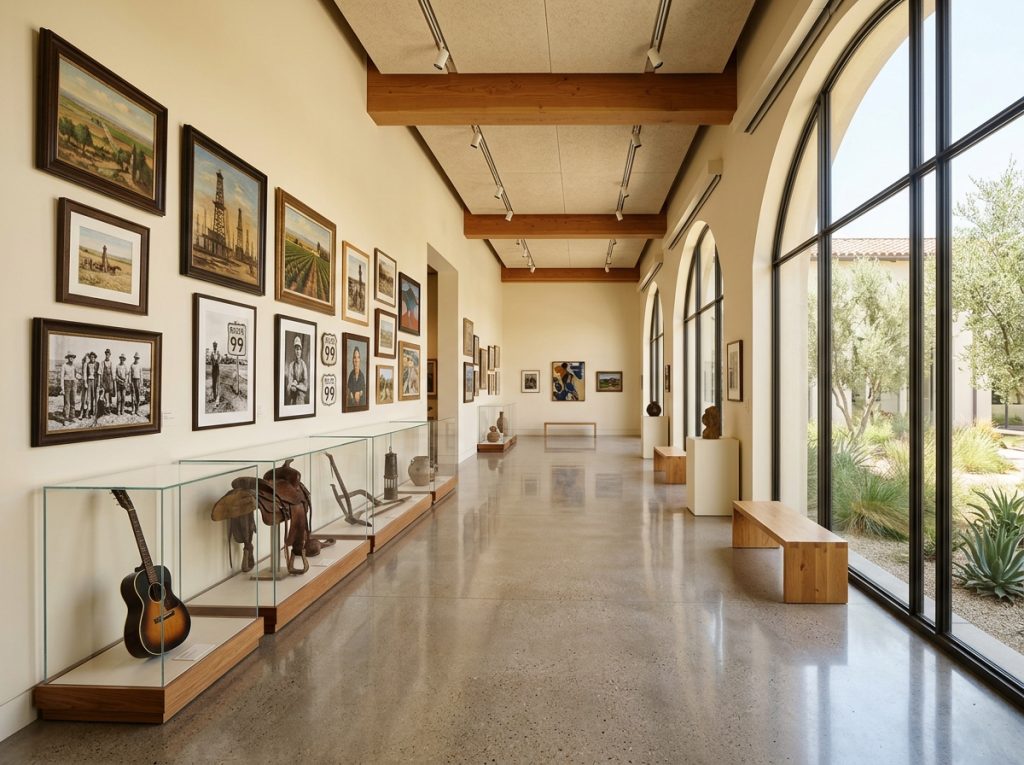
This guide is written for readers who want a simple starting point. It does not try to replace official museum websites or event calendars. Instead, it helps you decide where to begin, what type of experience to expect, and how to connect different cultural stops into one better day. For more local culture articles, visit our Bakersfield Museum Guide blog or explore our Museums & Cultural Spaces category.
Before planning your visit, always check current hours, admission details, closures, and event dates directly with the place you want to visit. Museums and cultural venues can change schedules for private events, exhibitions, school programs, and seasonal updates. A quick check before leaving home can save time and help you build a smoother route.
Why Bakersfield’s Museum Scene Is Worth Exploring
Bakersfield’s museum scene works because it reflects the city itself. It is not only about quiet galleries or objects behind glass. It includes art, agriculture, migration, music, architecture, education, wildlife, family memory, and regional pride. That mix makes the city interesting because every stop can show a different side of the same place.
A good museum day in Bakersfield can include fine art in the morning, local history after lunch, and a family-friendly educational stop later in the afternoon. You can also build a trip around one theme, such as Central Valley landscapes, historic downtown buildings, public art, or places that help children learn through exhibits and hands-on activities.
What makes Bakersfield different from larger museum cities is the local connection. Many exhibits, buildings, and cultural spaces connect directly to Kern County stories. Instead of feeling distant or overly formal, these places often make history feel close. You can see how land, labor, transportation, music, and family life shaped the city over time.
Start with the big cultural anchors
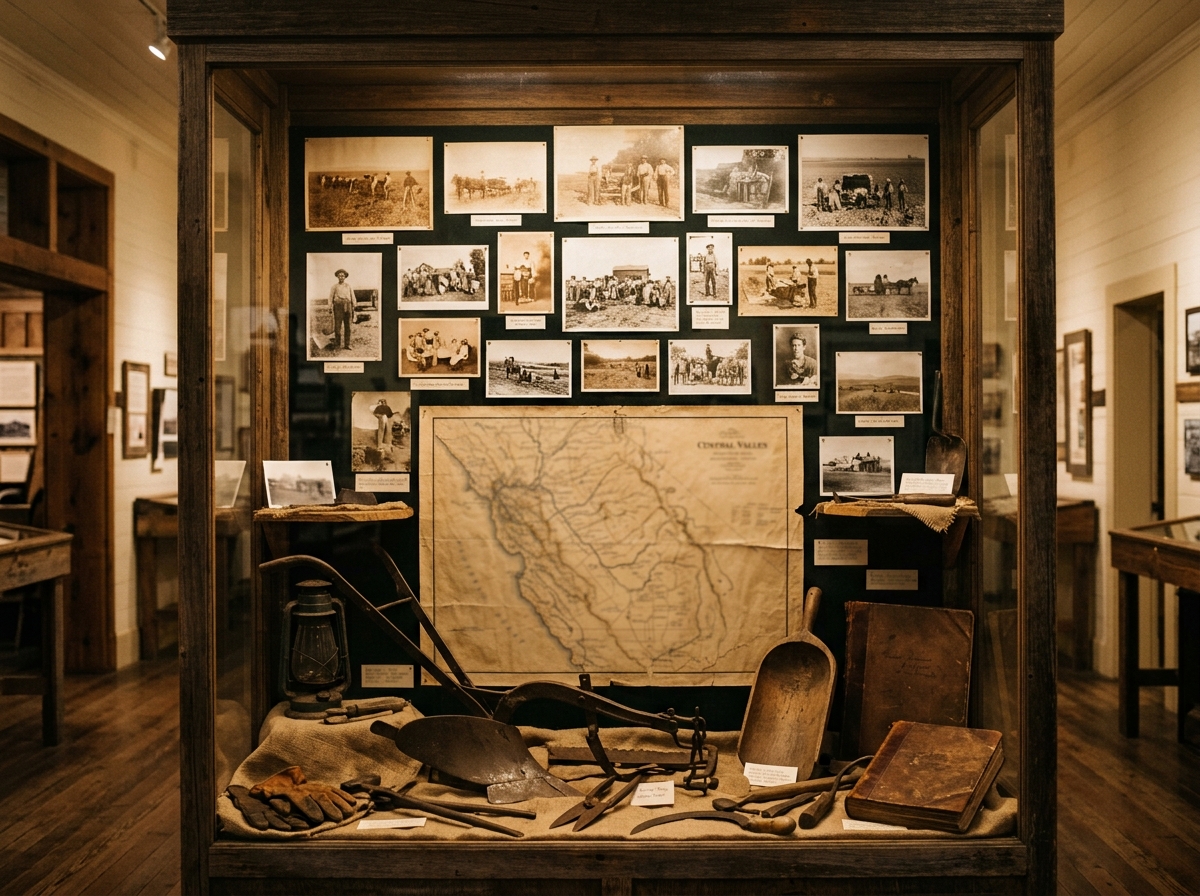
If you only have one day, start with the city’s strongest cultural anchors. These are the places most likely to give you a clear first impression of Bakersfield’s art and history. They also help you understand the city before you explore smaller galleries, public spaces, or historic neighborhoods.
Bakersfield Museum of Art
The Bakersfield Museum of Art is one of the most important cultural stops for anyone interested in visual art, exhibitions, and creative programming. It gives visitors a museum-style experience with rotating exhibitions, permanent collection highlights, and community programs. For readers who want to understand Bakersfield beyond surface-level travel lists, this is a strong place to begin.
Art museums help people slow down. Instead of rushing from one attraction to another, you spend time looking at images, materials, ideas, and stories. In Bakersfield, that matters because many local and regional art themes connect to land, identity, change, memory, and the Central Valley environment. A visit can also pair well with a walk through nearby cultural areas or a coffee stop after the museum.
If you want current exhibition and event information, use the official Bakersfield Museum of Art website. For a broader overview of cultural places in the city, you can also use the official Visit Bakersfield museums guide.
Kern County Museum
For local history, Kern County Museum is one of the most useful places to visit. It gives context to the region through historic structures, artifacts, and stories connected to the development of Kern County. This type of museum works well for families, students, and visitors who want to understand how everyday life looked in earlier periods.
The strength of a history museum is that it turns a city into a timeline. Instead of seeing Bakersfield as only roads, neighborhoods, and businesses, you begin to notice the older layers. You think about transportation, agriculture, homes, tools, schools, work, and the people who built communities over time.
For families, Kern County Museum can also make history easier to explain to children. Buildings, objects, and outdoor areas are often more memorable than a textbook paragraph. Children can connect a story to a place, and that makes the visit more valuable. For related articles, save our Local History category.
Add science, nature, and local heritage stops
A strong Bakersfield culture day does not need to stay inside one type of museum. Some visitors want art. Others want animals, natural history, architecture, or old downtown landmarks. The best plan usually combines two or three experiences that feel different from each other but still connect to the region.
CALM and natural history options
The California Living Museum, often known as CALM, adds a nature and education angle to the city’s museum-style attractions. It is especially useful for families because it connects learning with animals, native species, and outdoor observation. While it is not a traditional art or history museum, it still supports the same goal: helping visitors understand the region more deeply.
Nature-focused attractions are important because Bakersfield and Kern County are shaped by land. The Central Valley environment, local wildlife, desert edges, mountains, agriculture, and seasonal weather all influence how people live here. A stop like this can balance a day that also includes art galleries or historical sites.
If your audience includes children, grandparents, or mixed-age groups, build your route with comfort in mind. Choose one indoor cultural stop and one outdoor or interactive stop. This keeps the day from feeling too heavy and gives everyone a different way to enjoy the city.
Downtown history and preservation spaces
Bakersfield’s cultural story also lives in downtown buildings, older commercial blocks, restored landmarks, and neighborhoods that still carry visible traces of the past. These places may not always operate like museums, but they can still feel like open-air history lessons when you know what to look for.
Historic preservation has become a stronger topic in many cities because communities are rethinking how to protect older buildings while giving them new life. Bakersfield has its own version of that conversation. Restored spaces, older storefronts, and community-centered redevelopment projects can show how local history remains useful instead of becoming forgotten.
When you walk around older areas, look for materials, signs, window shapes, murals, theaters, rail connections, and buildings that feel different from newer development. These details reveal how people once shopped, gathered, traveled, worked, and spent time downtown. A future article on this site will look closer at Bakersfield preservation stories and historic places worth knowing.
How to Plan a Better Museum Day in Bakersfield
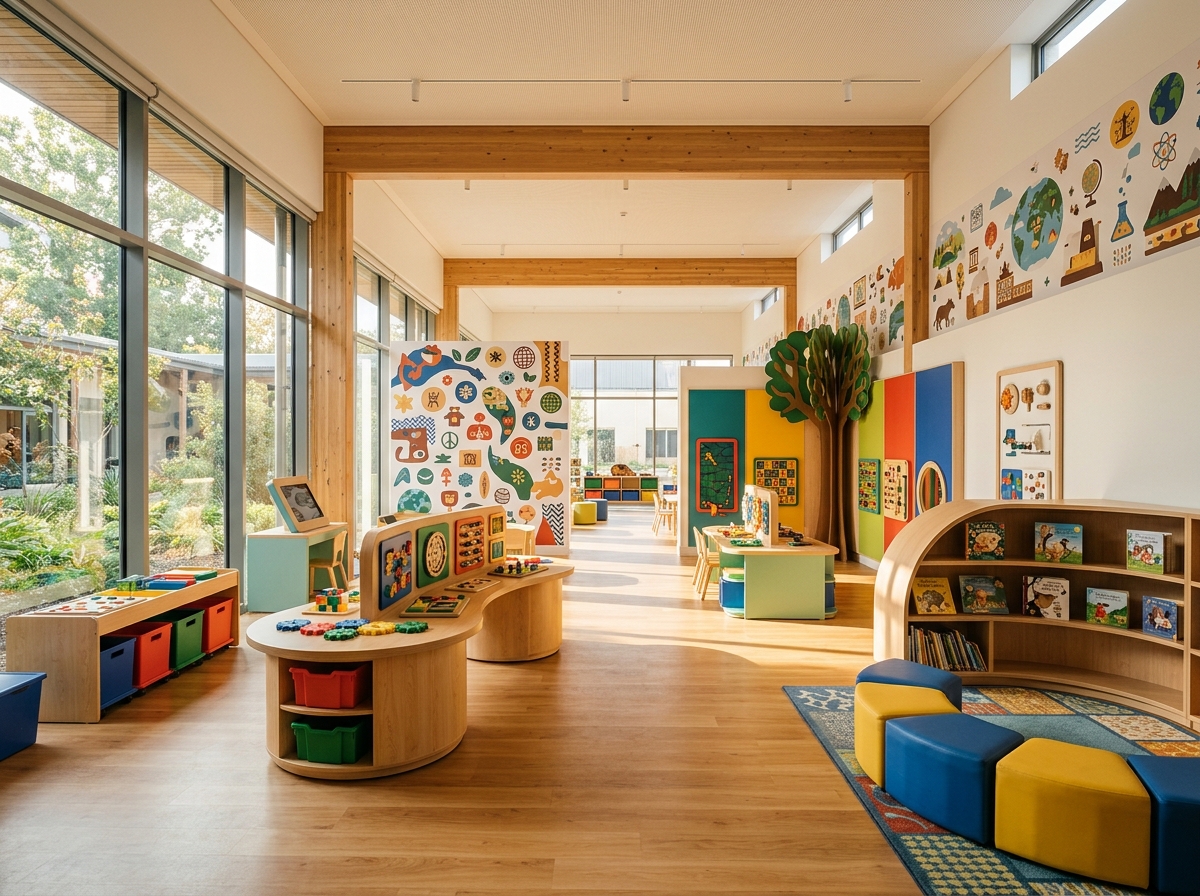
The biggest mistake visitors make is trying to see too much in one day. Museums reward attention. If you rush, every place starts to feel the same. A better plan is to choose a theme and build around it. For example, you can plan an art-focused day, a family-learning day, a local-history day, or a mixed culture day with one museum, one historic stop, and one relaxing meal nearby.
Start by checking opening hours and parking. Then decide how much energy your group has. Adults may enjoy reading wall text and spending time with exhibitions, while children often need a more active rhythm. If you visit with family, include breaks and choose places where kids can move, ask questions, or see something visual and memorable.
Bring a notebook or use your phone to save details you notice. Write down artist names, building names, exhibit themes, street names, or objects that catch your attention. Those small notes can help you research more later. They also make the visit feel more personal because you are not only consuming information; you are building your own connection to the city.
Build your route around interest, not just distance
Distance matters, but interest matters more. A short route that does not match your group can feel boring. A slightly longer route with the right mix can feel worth it. If you like visual art, begin with the Bakersfield Museum of Art and add a gallery, mural area, or design-focused coffee stop. If you like history, begin with Kern County Museum and add downtown architecture or a restored local landmark.
For families, choose simple goals. Instead of trying to teach everything, ask children to find three things: one object they like, one question they have, and one story they remember. This turns the visit into a small game without making it feel like school. You can also use our Family Visits section for future family-friendly culture guides.
For first-time visitors, the best approach is to treat Bakersfield as a city with layers. Visit one museum for structure, one cultural space for creativity, and one neighborhood or landmark for real-world context. That combination gives you a better understanding of the city than a single stop can provide.
Bakersfield’s museums and cultural places are worth exploring because they help connect the city’s past with its present. They show how art, labor, family life, land, architecture, and community memory all belong in the same conversation. Whether you are planning a weekend activity, a school-friendly outing, or a deeper local history day, Bakersfield has more cultural value than many visitors expect.
Use this guide as a starting point, then keep exploring. Check official websites, support local institutions, read more about the places you visit, and return when new exhibitions or events appear. Bakersfield’s museum story is not finished. It continues through every exhibit, restored building, family visit, local artist, and reader who decides to look closer.