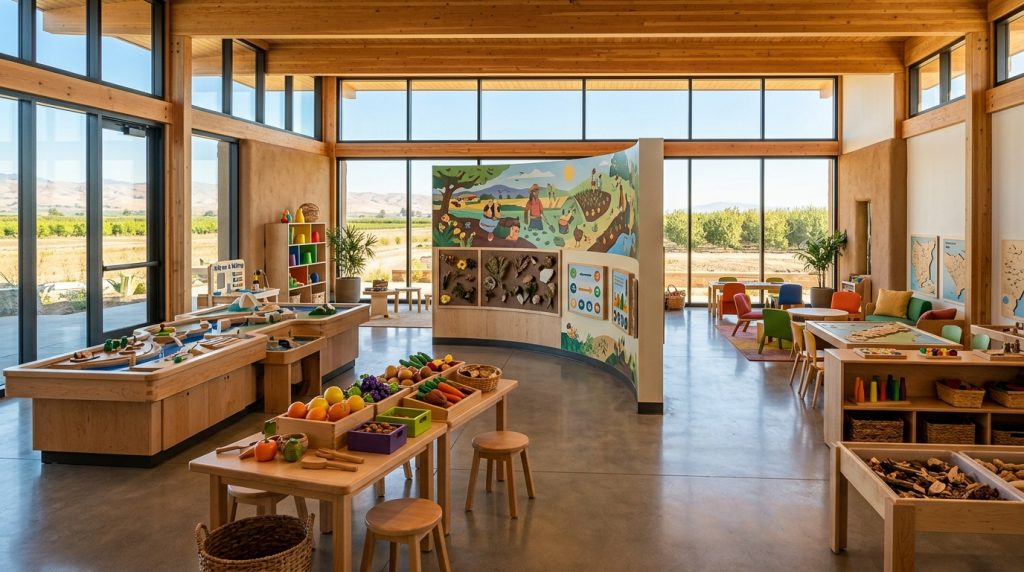
Bakersfield is a good city for this kind of outing because its cultural story is easy to connect with real life. Children can see historic buildings, animals, artwork, old photos, tools, interactive exhibits, and places that show how the Central Valley has changed over time. Adults can enjoy the same stops with more context, especially when the day includes art, history, and local heritage together.
This guide is part of our Family Visits section. You may also want to read our guides to museums and cultural places in Bakersfield, the Bakersfield art scene, and historic downtown Bakersfield preservation.
Before visiting any museum or attraction, check current hours, admission details, parking, weather, special events, and holiday closures. Family plans work better when the schedule has room for breaks, snacks, bathroom stops, and changes in attention span.
A Simple Plan for a Family Museum Day in Bakersfield
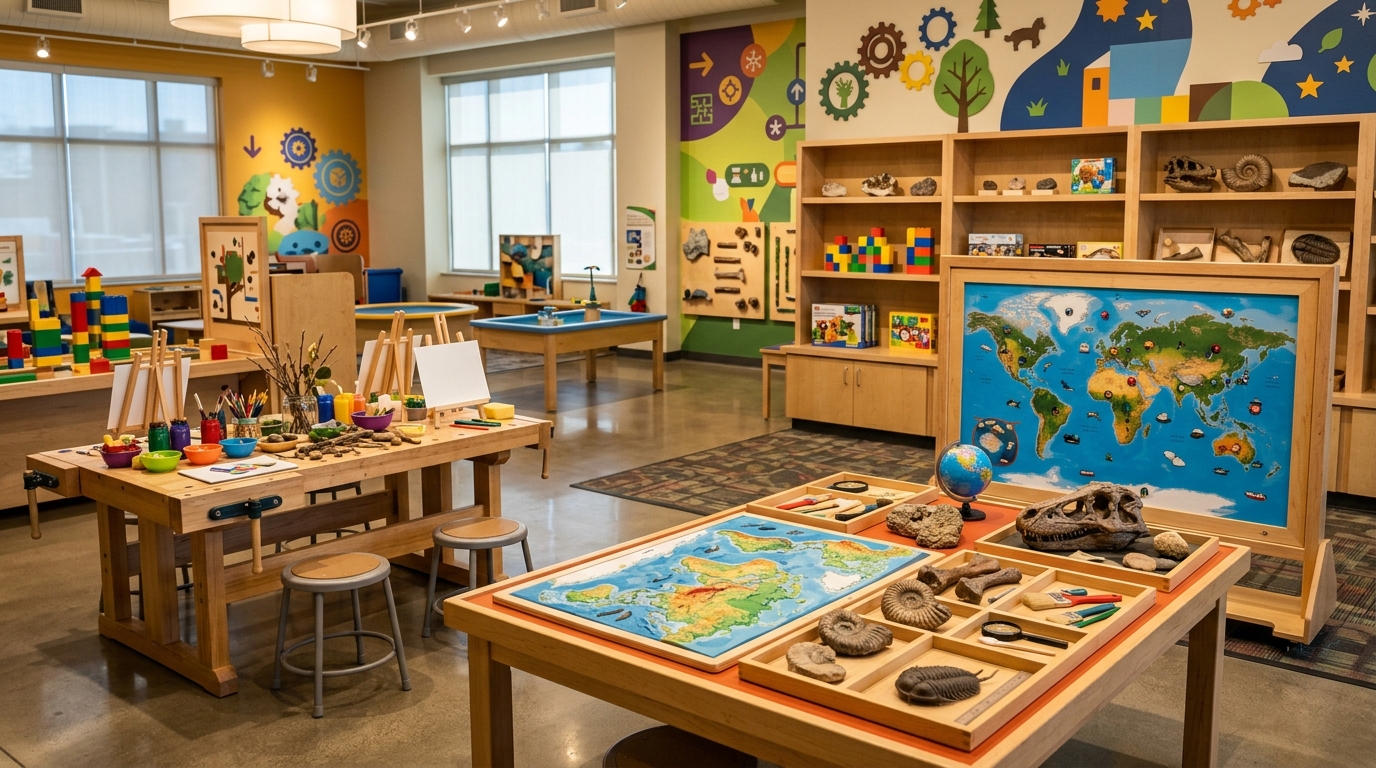
The best family museum day usually includes two or three stops, not five. Children need time to look around, ask questions, move, rest, and process what they see. Adults also enjoy the day more when the route feels relaxed instead of rushed. A strong plan might include one art or culture stop, one hands-on history stop, and one outdoor or wildlife-focused experience.
Start by choosing the main purpose of the day. If your family likes creativity, begin with an art museum or gallery-style stop. If your children enjoy objects, buildings, and old stories, choose a history museum first. If they love animals and nature, make CALM or another outdoor learning space the anchor. Once you know the main interest, add one nearby stop that supports the same theme.
It also helps to create small goals for children before you arrive. Ask them to find one object they like, one artwork that makes them curious, one animal they want to learn about, or one old building that looks different from today’s buildings. These simple prompts turn the visit into a game without making it feel like schoolwork.
Start with art, then make it interactive
Many parents worry that an art museum will feel too quiet for children. That can happen if the visit is too long or too serious. A better approach is to keep the visit short and focused. Choose a few works, ask simple questions, and let children describe what they notice before explaining too much.
Bakersfield Museum of Art
The Bakersfield Museum of Art is a strong first stop for families who want a calm, visual, and educational experience. Art gives children a chance to notice colors, shapes, people, landscapes, materials, and emotions. They do not need to understand every artist statement to enjoy the visit. They only need permission to look carefully and talk about what they see.
Family programming can make the museum even more accessible. The museum promotes Second Saturday Family Day, which gives families a more approachable way to experience art and museum activities. For current schedules, exhibition details, and official visitor information, use the Bakersfield Museum of Art website.
When visiting with children, keep questions simple. Ask: What color do you see first? What do you think is happening here? Does this artwork feel calm, busy, happy, serious, or strange? What would you name this piece if you were the artist? These questions help children build confidence and make the museum feel less intimidating.
What to See After the First Stop
After an art stop, shift into something more active. This keeps children engaged and gives adults a richer view of Bakersfield’s culture. Local history museums and wildlife learning spaces are useful because they add movement, objects, outdoor air, and real-world context.
A good family route balances quiet and active time. If the first stop involves looking at artwork, the next stop should include walking, discovery, or hands-on exhibits. If the first stop is outdoors, the next stop can be shorter and calmer. This rhythm matters more than distance because families usually remember how the day felt, not just how many places they visited.
Add local history children can see and touch
History becomes easier for children when it has buildings, tools, rooms, photos, vehicles, clothing, and familiar objects. A paragraph in a textbook can feel distant, but a real historic building or object helps children imagine how people lived, worked, cooked, traveled, studied, and gathered in the past.
Kern County Museum
Kern County Museum is one of the best family-friendly history stops in Bakersfield because it gives visitors a broad look at regional life. The museum highlights thousands of historic and cultural artifacts and more than 56 historic buildings, making it useful for children who learn better through places and objects instead of long explanations.
The Lori Brock Discovery Center is especially relevant for families because it is designed as a place where children can learn, explore, and have fun. A stop like this can help younger visitors stay engaged while still connecting with local history and educational themes. For accurate hours, exhibits, admission, and event information, visit the Kern County Museum website.
Parents can make the visit more memorable by turning it into a small scavenger hunt. Ask children to find an old tool, an old photo, a building that looks different from their home, something connected to transportation, and something they would not know how to use today. This creates attention without forcing a formal lesson.
Use historic buildings as conversation starters
Historic buildings are useful because they help children compare past and present. You can ask how the windows look different, what materials were used, how rooms were arranged, how people stayed cool, where people worked, and what daily life might have felt like. These simple observations teach children that history is not only dates. It is also design, comfort, work, family, and community.
Adults can connect those observations to Bakersfield’s larger story. Agriculture, transportation, oil, migration, education, and neighborhood life all shaped the city. A family museum day gives children a first look at those themes without overwhelming them.
Finish with nature, wildlife, or an outdoor learning stop
After indoor museum time, many families do better with an outdoor or nature-based stop. Wildlife learning spaces allow children to move, observe, and ask questions in a different way. They also connect Bakersfield’s cultural story to the land and environment around the city.
CALM and California wildlife learning
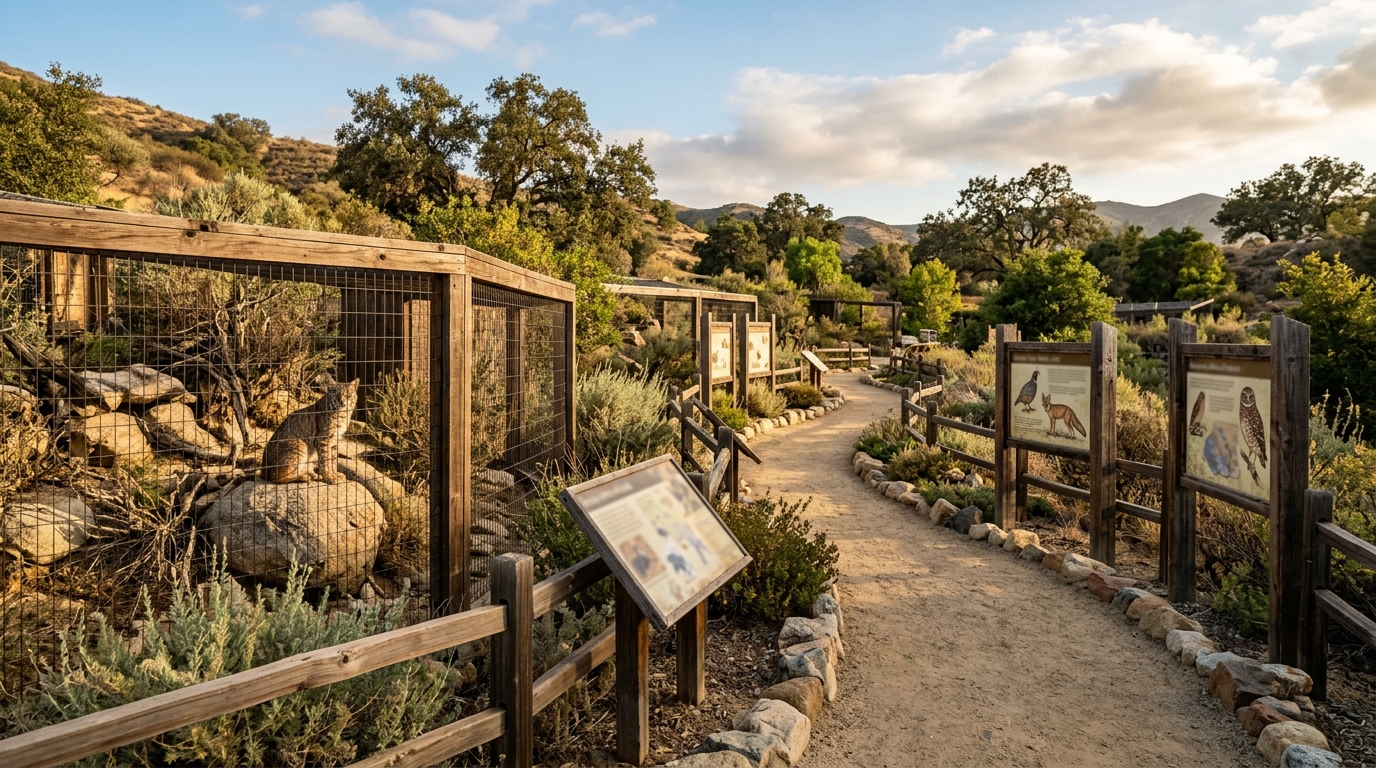
The California Living Museum, commonly known as CALM, is a strong family stop because it connects education with native California wildlife and outdoor exploration. It gives children a chance to learn about animals, habitats, conservation, and the region’s natural environment in a way that feels active and memorable.
CALM presents itself as a family-friendly place with experiences for different ages. This makes it a useful addition to a family museum day, especially when children need a change from indoor exhibits. For current hours, events, tickets, and visitor rules, check the official CALM Zoo website.
To make the visit educational, ask children to choose one animal and learn three things about it: where it lives, what it eats, and why it matters to California. This small task helps them focus without turning the visit into homework.
Build a flexible route around your child’s energy
The best family culture day is flexible. Younger children may only handle one main stop and lunch. Older children may enjoy two museums and a short walk. Teens may prefer art, murals, downtown cafés, or local history with a stronger story angle. Grandparents may appreciate slower pacing, shaded areas, and places with seating.
A sample easy route could begin with the Bakersfield Museum of Art in the morning, continue with lunch, then move to Kern County Museum or CALM depending on your family’s interests. Another route could focus on local history first, then end with a relaxed outdoor stop. There is no perfect order. The right order is the one your group can enjoy without stress.
Bring water, comfortable shoes, sun protection, snacks, and a plan for breaks. Also prepare children before arriving. Tell them where you are going, what kind of behavior the space expects, and what they can look forward to. Clear expectations reduce frustration and make the day smoother for everyone.
A family-friendly museum day in Bakersfield can be simple, affordable, educational, and genuinely enjoyable when planned with care. The city gives families a mix of art, history, wildlife, local culture, and hands-on learning. That mix helps children understand Bakersfield not just as a place on a map, but as a city shaped by people, land, creativity, memory, and community.
Use this guide as a starting point. Check official websites, choose one or two main stops, leave room for rest, and let children ask questions along the way. The best family museum visits are not the ones where everyone sees everything. They are the ones where everyone remembers something.