Bakersfield has changed greatly over the past seven decades. Neighborhoods have grown, industries have shifted, downtown has changed, and new generations have added their own ideas to the city’s culture. Through those changes, the Bakersfield Museum of Art has helped preserve and share an important part of the region’s creative story.
In 2026, the museum is celebrating its 70th anniversary. One of the main ways it is marking the milestone is through an exhibition titled Seventy Years of Inspiration: The Story of the Bakersfield Museum of Art.
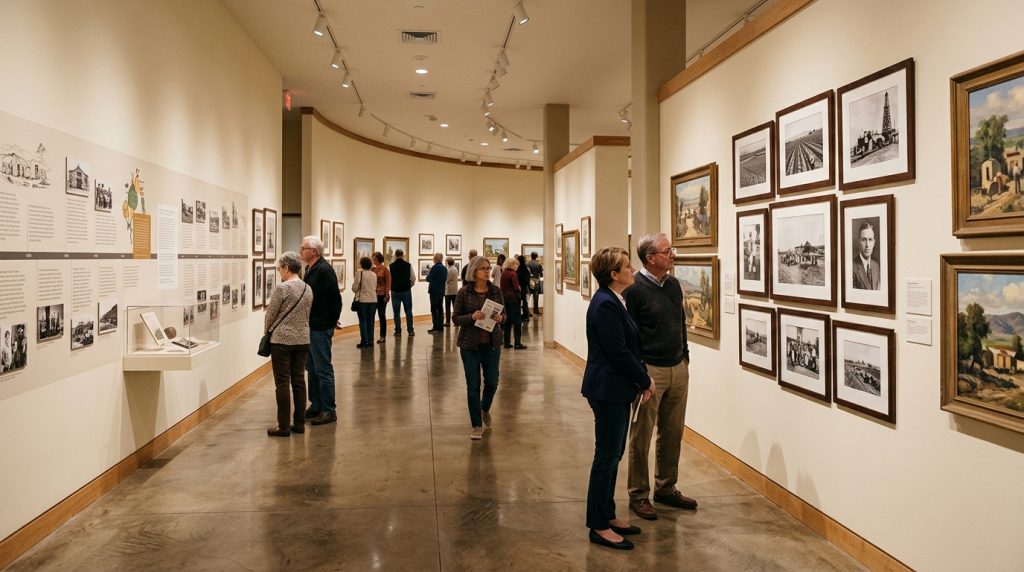
The exhibition opened in March 2026 and is scheduled to remain on view through March 6, 2027. It uses archival photographs, exhibition history, and important moments from the museum’s past to show how the institution has developed since 1956.
For Bakersfield residents, this is more than a museum anniversary. It is also a chance to look at how local art, community support, education, and cultural spaces have helped shape the city.
If you want a wider look at the city’s creative side, our guide to public art and creative spaces in Bakersfield explores murals, galleries, downtown art, and other places where local culture appears outside museum walls.
How the Bakersfield Museum of Art Became Part of the City’s Cultural Story
The Bakersfield Museum of Art did not begin with the same name or role it has today. Its story started in 1956 as the Cunningham Memorial Art Gallery.
Over time, the institution grew beyond a single gallery. Exhibitions changed. Collections expanded. Educational programs reached new audiences. Local artists gained a place to show their work alongside artists from other parts of California and beyond.
That long history matters because museums do more than display objects. They help communities decide which stories deserve attention. They also create places where people can experience art in person instead of only through screens, books, or social media.
The anniversary exhibition turns the museum itself into the subject. Instead of focusing only on one artist or movement, it asks visitors to think about how an arts institution changes with its community.
From the Cunningham Memorial Art Gallery to Today’s Museum
The museum’s early identity connects directly with local community history. The Cunningham Memorial Art Gallery laid the foundation for what later became the Bakersfield Museum of Art.
As the organization developed, its purpose also became broader. It created room for exhibitions, education, preservation, and public programs. That growth helped make visual art more accessible within Kern County.
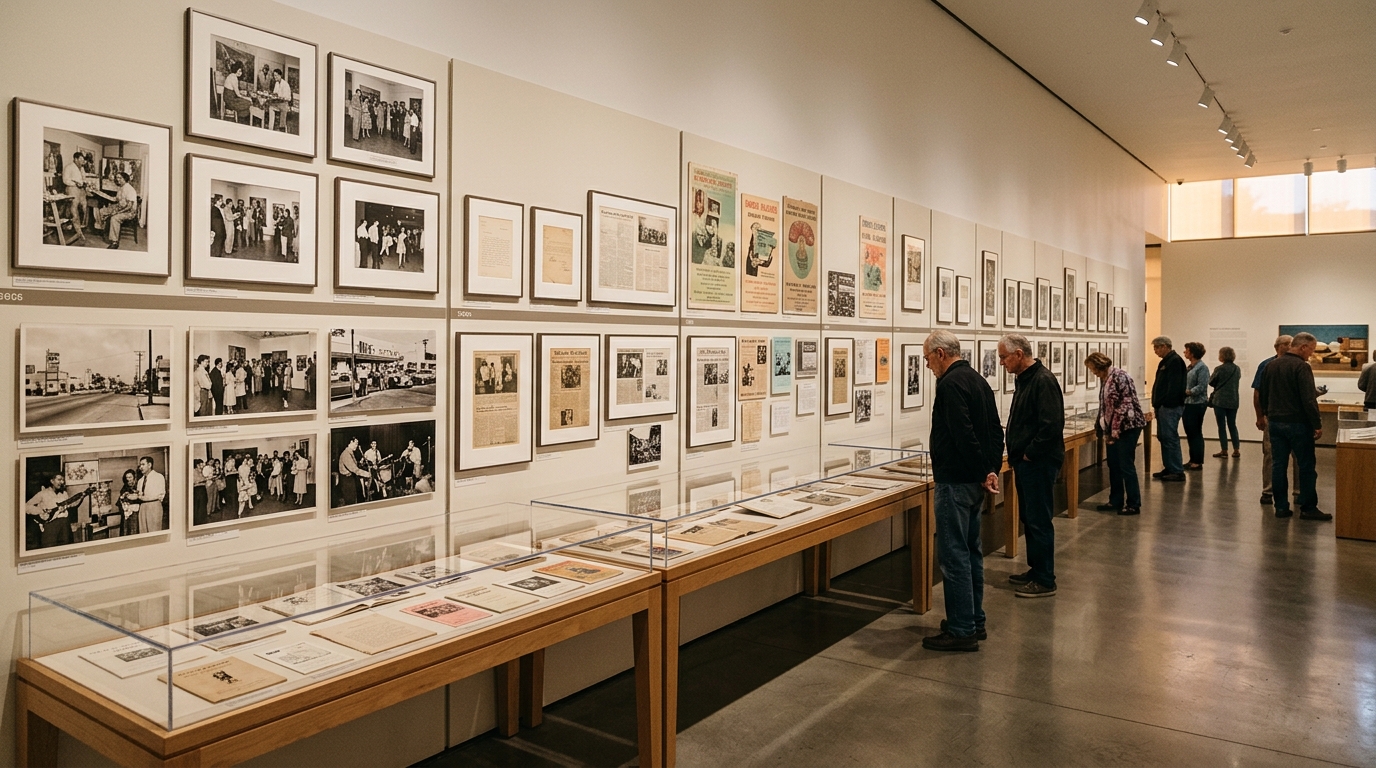
The anniversary exhibition tells this story through material from the museum’s own archives. Historic photographs allow visitors to see earlier versions of the building and its programs. Exhibition records show how artistic interests changed over time. Other materials highlight people and events that helped move the museum forward.
This approach can make institutional history easier to understand. Instead of reading only dates on a timeline, visitors can connect changes to real images, exhibitions, artists, and community memories.
Why the Museum’s Founding Story Still Matters
A founding story gives context to everything that follows. It explains why an institution appeared and what needs people hoped it would serve.
In Bakersfield, a dedicated visual arts space created opportunities that might otherwise have been limited. Residents gained a place to view art. Artists gained a public setting for their work. Students gained another way to experience creative education.
Those roles still matter today.
The city now includes museums, galleries, murals, public artworks, creative businesses, and community art events. They do not all serve the same purpose, but together they form a larger cultural network.
Our article about historic downtown Bakersfield and preservation looks at a similar idea through architecture. Buildings can preserve community memory, and cultural institutions can do the same through art, archives, and shared experiences.
Archives Turn Museum History Into Something Visitors Can See
Archives can sound academic, but they often contain some of the most human material in a museum.
Old photographs show how galleries once looked. Exhibition posters reveal changing design styles. Programs can show which artists appeared at different points in time. Letters, records, and event materials may reveal the work that happened behind the scenes.
When museums place these materials on view, visitors can see that cultural institutions do not stay frozen in time. They respond to new artists, new audiences, new ideas, and changes in the community around them.
The anniversary exhibition uses that history to connect the museum’s past with its present. That makes the show useful even for someone who does not normally study art history.
A longtime resident may recognize a former gallery layout or remember an exhibition. A younger visitor may discover that programs they enjoy today grew from decades of earlier work. Someone new to Bakersfield can use the exhibition as a quick introduction to part of the city’s cultural development.
What 70 Years of Exhibitions Can Reveal About Bakersfield
A museum’s exhibition history can act like a cultural timeline.
The works that appear in galleries often reflect changing interests in art and society. Regional landscapes may draw attention to the land. Portraits can tell stories about identity. Photography can document communities. Abstract work may introduce new ways of seeing color, material, or space.
For Bakersfield, this connection is especially interesting because the city’s identity includes many overlapping stories.
Agriculture shaped the surrounding landscape. Oil played a major role in regional growth. Migration brought new communities and traditions. Music helped give Bakersfield a national cultural identity. Water continues to shape conversations about the Central Valley’s future.
Artists can respond to all of these subjects.
That is why museum exhibitions are valuable as more than decoration. They can help people think about places they already know in a different way.
Regional Artists Help Record the Central Valley Experience
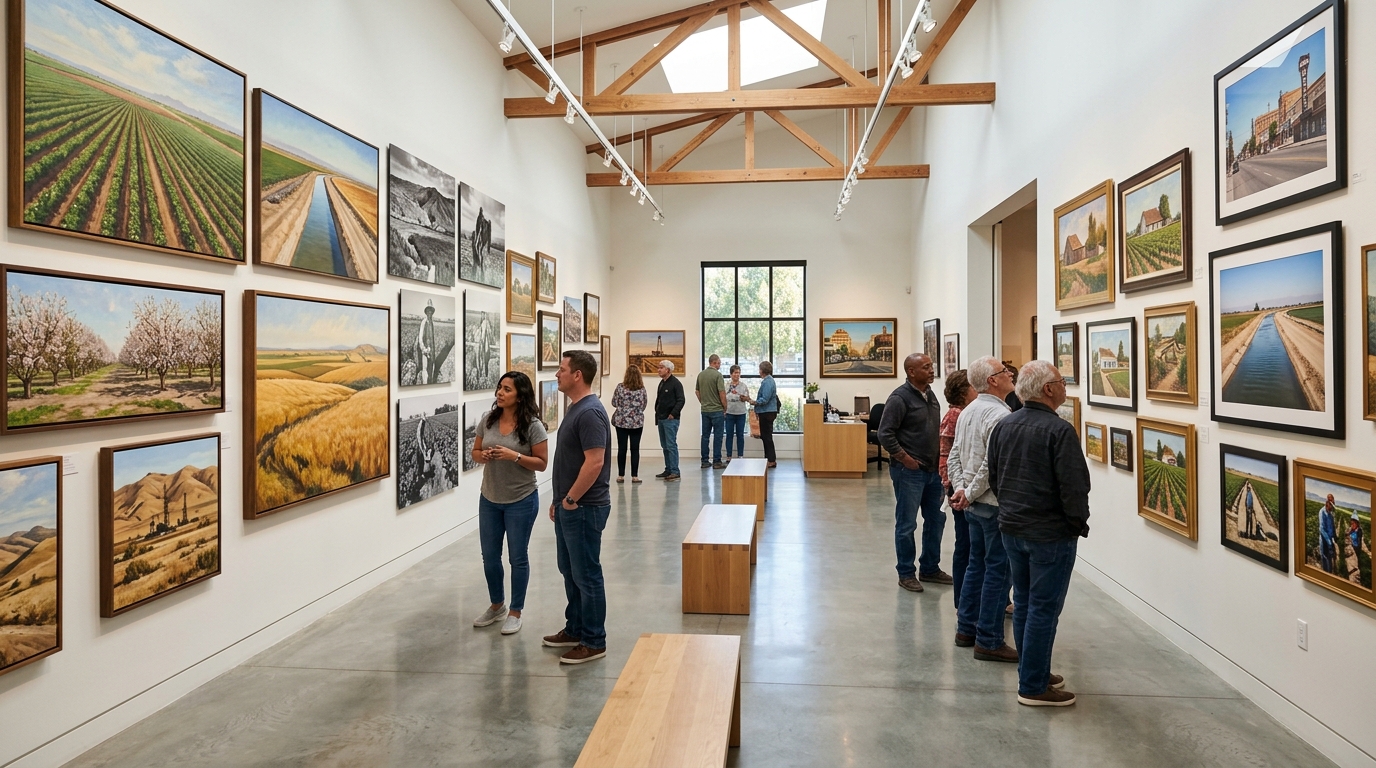
Regional art has a special value because artists often notice details that outsiders may overlook.
A Central Valley artist may pay attention to irrigation lines, agricultural fields, dry landscapes, neighborhood streets, industrial structures, family traditions, or the intense light of the valley. These subjects may seem ordinary to residents, yet they can become powerful cultural records when artists interpret them.
Art can also preserve feelings that official records cannot capture. A government document can show when a road was built. A photograph may show how people used that street. A painting can show how the place felt to the artist.
These different forms of memory work together.
Our article about agriculture, water, and art in Bakersfield culture explores this connection in more detail. It looks at how the Central Valley landscape becomes part of local history and creative expression.
The Bakersfield Museum of Art’s anniversary is therefore not only about the institution. It also gives residents a reason to think about the artists, teachers, supporters, visitors, and community members who helped create a local arts culture over many years.
How to Experience Bakersfield’s Art History Beyond One Exhibition
A museum anniversary can be a starting point rather than the end of a cultural outing.
Visitors can use the exhibition to learn about Bakersfield’s visual arts history and then look for connections across the city. Public art, older buildings, independent galleries, downtown streets, and local landscapes all add to the story.
This approach turns a museum visit into a broader way of understanding Bakersfield.
Before going, check the museum’s official information because exhibitions, programs, admission details, and hours can change. The Bakersfield Museum of Art current exhibitions page provides updated information about Seventy Years of Inspiration and other shows currently on view.
Build a Richer Bakersfield Culture Day
Start by giving the anniversary exhibition enough time. Do not rush through only to say you saw it.
Look closely at the archival photographs. Notice how the museum changed. Pay attention to exhibition names, dates, artists, and community events that stand out to you.
Afterward, explore another cultural part of Bakersfield.
You could walk through downtown and look for murals or older architectural details. Another option is to visit a gallery or creative space. Families can add a second educational stop that gives children a different type of experience.
Our family-friendly museum day in Bakersfield offers ideas for building a simple cultural outing without trying to fit too many stops into one day.
The key is variety. A museum gives you curated history. A downtown walk gives you real streets and buildings. Public art connects creativity with daily life. Local businesses add another layer of community experience.
Pair the Museum With Public Art and Local History
A strong culture day might begin at the museum and continue into nearby parts of Bakersfield.
After seeing how the museum’s story developed over 70 years, look for art in public spaces. Murals and creative storefronts show how art leaves the gallery and becomes part of the street.
Then pay attention to the city’s historic buildings. Older structures can reveal another part of the same timeline. Their architecture shows how Bakersfield grew and changed, while restoration projects show how communities choose what to preserve.
Visitors can also think about the landscape outside the city center. The Central Valley’s farms, canals, open land, mountains, industry, and river systems have influenced generations of artists.
Seen together, these places make the museum anniversary feel larger.
Seventy years is enough time for a cultural institution to become part of a city’s memory. Generations of Bakersfield residents have grown up while the museum continued to collect, exhibit, teach, and change.
Seventy Years of Inspiration offers a chance to see that history gathered in one place. It shows how a local gallery grew into an institution with a wider role in the region.
More importantly, the exhibition reminds visitors that local culture does not appear by accident. People build it over time. Artists create work. Museums preserve it. Teachers introduce it to students. Visitors support exhibitions. Communities decide that creative spaces are worth keeping.
Bakersfield’s artistic story is still developing. The museum’s 70th anniversary marks what has already happened, but it also creates a useful question for the future: what will the next generation choose to create, preserve, and remember?
For anyone interested in Bakersfield museums, local history, public art, or Central Valley culture, this anniversary is a good reason to look closer at the creative history already around us.
Editor’s note: Bakersfield Museum Guide is an independent cultural guide and is not affiliated with the Bakersfield Museum of Art. Exhibition dates, admission, programs, and visitor details may change. Confirm current information directly with the museum before visiting.